
WasteX Completes Commissioning for Sustainology Biochar Facility


APRIL 2026 - WasteX has completed the commissioning and handover of a biochar production equipment for Sustainology, supporting the conversion of rice husk into biochar through efficient carbonization operations.
The project marks another operational deployment of WasteX technology designed to help partners turn agricultural residues into higher-value products while reducing waste.
Delivering on Performance KPIs
The final handover confirmed that the equipment is meeting all promised performance benchmarks, ensuring a balance between high productivity and resource efficiency:
31 kg/hour processing capacity, with a clear path to reach 35 kg/hour as the site continues to stabilize.
41% yield rate. This output provides an optimal balance between total volume and the rigorous biochar quality required for agricultural applications.
11% fuel-to-feedstock ratio. This reflects strong thermal performance, as the carbonizer effectively shifts the heating load from external fuel to internally generated syngas.
dMRV and Capacity Building
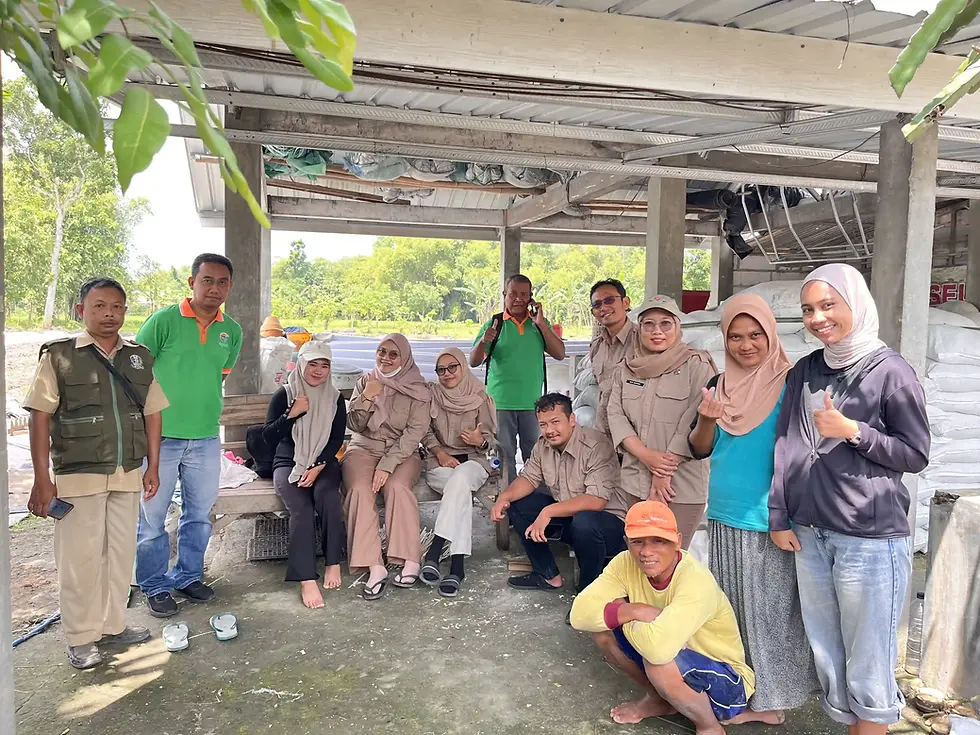
The handover process extended beyond hardware to ensure long-term operational success. WasteX provided comprehensive on-site training for the Sustainology team, covering technical operation, maintenance, and production best practices.
Central to this training was the use of the WasteX dMRV application. This digital platform enables Sustainology to track carbon sequestration data and monitor production metrics, providing the transparency required for future environmental reporting and carbon credit verification.
With commissioning complete, Sustainology is now ramping up rice husk biochar production using equipment built for yield, efficiency, and stable output.
WasteX develops its own proprietary, decentralized biochar equipment designed to integrate directly into existing agricultural supply chains. By deploying these units worldwide, WasteX’s biochar equipment converts biomass waste streams into stable carbon, sequestering CO₂ that would otherwise contribute to climate change.
This model provides a practical, scalable solution for global carbon removal while delivering tangible benefits to the agricultural sector.


Comments