
Biochar Feedstock Guide: Pick the Right Materials for Powerful, High‑Quality Biochar

The choice of feedstock is one of the most critical factors in determining the quality, stability, and performance of the resulting biochar. It determines the specific properties, potential contaminants, higher carbon contents, and even the environmental impact of the final product.
This guide outlines the key types of feedstock, how pyrolysis temperature shapes the final material, and the main factors to consider when choosing sustainable, low‑contamination biomass for producing high‑quality biochar.

What Is Biochar Feedstock?
Biochar feedstock refers to any organic material—usually biomass waste—that can be thermally decomposed through slow pyrolysis to form carbon‑rich material.
Since every feedstock has its own chemical composition, the biochar properties will differ widely depending on the feedstock used. High‑quality biochar usually comes from biomass with:
High fixed‑carbon content
Low moisture
Low ash content
Minimal contamination (especially low heavy metals)
Sufficient density to convert effectively
Selecting the right feedstock ensures the resulting biochar is safe, effective, and suitable for its intended agricultural, industrial, or environmental use.
Why Feedstock Matters: Key Biochar Properties Influenced by Feedstock
Different feedstocks produce biochar with different strengths and limitations. Below are the characteristics you should pay attention to when picking the right feedstock:
1. Carbon Stability and Carbon Sequestration Potential
Feedstocks rich in lignin, such as wood, tend to produce biochar with higher carbon contents and greater long‑term stability. This enhances long‑term carbon sequestration, making woody residues ideal for climate‑focused biochar projects.
2. Surface Area and High Porosity
Biochar made from woody biomass or nut shells typically develops larger surface area and high porosity, which allow it to hold more water and provide protected micro‑habitats where beneficial microbes can thrive. These are excellent for soil improvement.
3. Ash Content and Nutrient Profile
Straw, husks, and manure often have higher ash content, which can provide nutrients such as potassium, calcium, or magnesium. These elements are not vaporized during the high-temperature, low-oxygen process of pyrolysis. Instead, they become concentrated in the solid char material as inorganic salts and minerals.
However, excessive ash can make the biochar too alkaline for many crops. To avoid overly high ash levels, producers can blend high‑ash feedstocks with low‑ash materials or adjust pyrolysis temperatures to prevent excessive mineral concentration.
4. Contamination Risks (Heavy Metals)
Waste streams such as sewage sludge or animal waste may contain heavy metals, pharmaceuticals, or pathogens. Although pyrolysis destroys many biological contaminants, heavy metals remain.
5. Overall Suitability for the Production of Biochar
Feedstock dictates the ideal pyrolysis temperature, how much energy is required to convert it, and the overall yield of biochar.
Dense, low‑ash materials like wood typically produce higher‑quality char at higher temperatures, while high‑moisture or high‑ash feedstocks may require more energy and deliver lower yields. This makes understanding feedstock characteristics essential for optimizing both efficiency and product quality during the production process.
Major Types of Feedstock for Biochar Production
Below is an overview of the main feedstock groups, highlighting their key characteristics, potential risks, and how each type aligns with different end‑use applications.
1. Woody Biomass
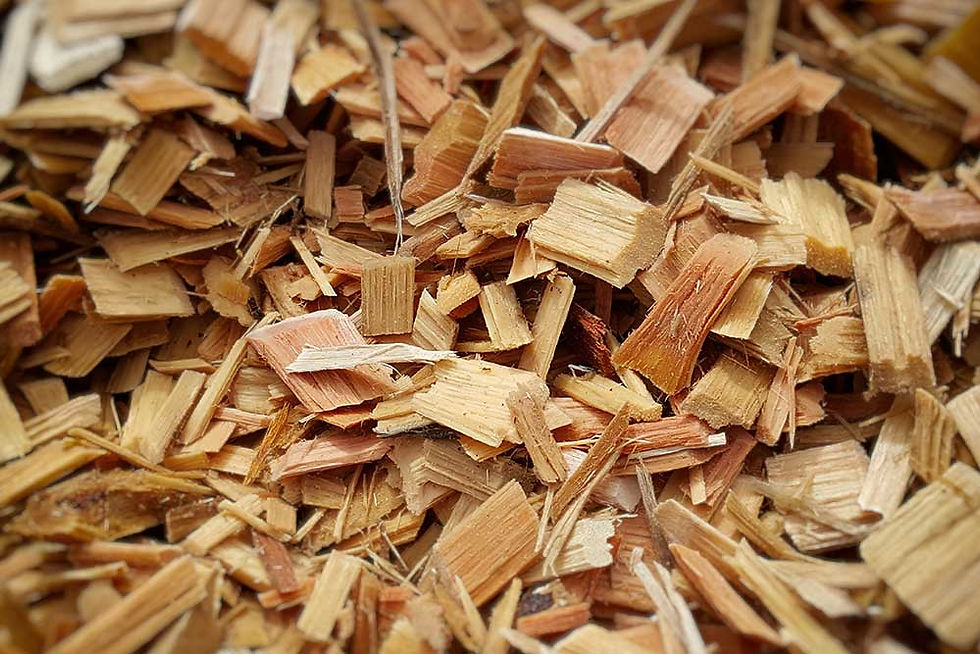
Examples: branches, wood chips, sawdust, timber offcuts, forestry waste.
Woody biomass is one of the most consistent and widely used biochar feedstocks due to its predictable performance and clean carbon profile:
Low ash content
High lignin, resulting in higher carbon contents in the biochar produced
High surface area and high porosity when carbonized at mid‑to‑high temperatures
Very low contamination
Best for: carbon sequestration projects, soil enhancement, high‑quality commercial biochar, filtration media.
2. Crop Residues

Examples: rice husks, corn stover, coconut shells, sugarcane bagasse.
These agricultural wastes are abundant and economical, but they vary widely:
Some (like rice husks) have high ash content due to silica.
Coconut shells and nut shells create very hard, high‑porosity biochar.
Straw produces nutrient‑rich biochar but may carry residues from agrochemicals.
Best for: general soil improvement, nutrient cycling, farmer‑level production, reducing burning of crop residues.
3. Animal Waste
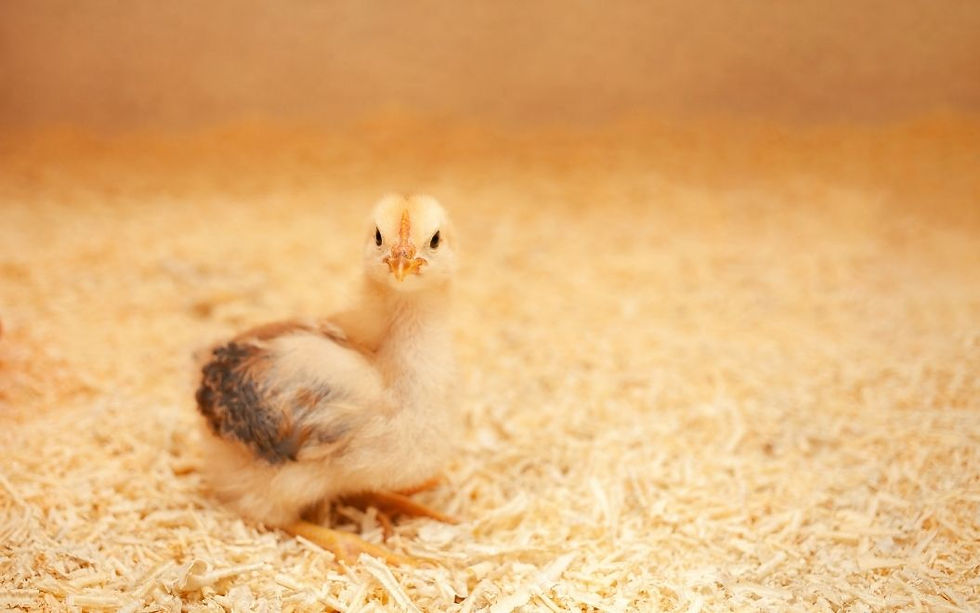
Examples: poultry litter, cattle manure, mixed manure.
Animal waste can produce nutrient‑dense, high‑ash biochar with agricultural benefits, but carries important considerations:
Elevated risk of heavy metals (especially from chicken manure)
High nutrient biochar but with lower carbon stability
Strong odor before pyrolysis, requiring careful handling
Best for: improving degraded soils, fertilizer substitution, livestock bedding applications.
4. Sewage Sludge

An emerging but highly regulated feedstock.
Contains phosphorus, nitrogen, and micronutrients
High contamination risk: heavy metals, pharmaceuticals, microplastics
Requires strict testing before agricultural use
Best for: industrial applications, land reclamation, non‑food crops, adsorbents in wastewater treatment.
5. Dedicated Energy Crops

Examples: bamboo, miscanthus, switchgrass.
Although not waste‑based, these crops provide consistent biomass for controlled biochar production.
Very uniform composition
Suitable for tailored properties of biochar
Lower contamination risk
Best for: specialized biochar, filtration media, consistent soil amendments.
How Pyrolysis Temperature Shapes Biochar Quality
Feedstock alone does not determine quality. The pyrolysis temperature and slow pyrolysis conditions used in the production of biochar strongly influence the final product.
Lower temperatures (300–450°C):
Yield more biochar
Retain more functional groups, which help the biochar hold and exchange nutrients with the soil
Often the choice for nutrient‑rich agricultural amendments
Higher temperatures (500–700°C):
Create greater surface area and high porosity
Increase carbon stability
Lower nutrient content but improve longevity in soil
The best way to monitor temperature when producing biochar is to use high-tech biochar pyrolysis equipment, which is equipped with temperature and residence time monitoring. Compared to traditional kilns, these technologies will ensure you have the best biochar quality.
How to Select the Best Biochar Feedstock
Here are the main criteria to evaluate when choosing feedstock:
1. Intended Use of the Biochar
Here's a recap of the best biochar feedstock depending on your needs:
Soil amendment: use wood, crop residues, or manure
Carbon removal: prefer woody biomass or shells
Filtration/adsorbent: choose nut shells or high‑lignin woods
2. Chemical Composition
Check for carbon content, nutrient profile, pH, volatile compounds, and contaminants, as these determine how stable, nutrient-rich, and safe the final biochar will be for soil or industrial use.
3. Contamination Concerns
Feedstock must be tested for heavy metals, pesticides, plastics, and industrial residues. Metals like cadmium, arsenic, or lead do not disappear during pyrolysis.
4. Availability and Cost
Feedstock should be locally available and minimally processed. Local and low‑processing biomass reduces transport costs, energy use, and emissions, which keeps production practical and climate‑friendly.
5. Environmental Impact
Choose sustainable biomass that does not compete with food production or degrade ecosystems, ensuring that biochar production supports environmental goals without harming agricultural land or natural habitats.
Final Thoughts
Choosing the right biochar feedstock is not simply about what biomass is available. It directly shapes the chemical composition, physical characteristics, environmental performance, and long‑term value of the biochar produced.
By understanding feedstock categories, contamination risks, ash profiles, pyrolysis temperature ranges, and ideal use cases, producers can optimize both the production process and the final agricultural or industrial outcomes.


Comments