
Biochar as a Soil Improver: The Complete Introduction

Healthy soil is essential for productive gardens, farms, and landscapes. However, many soils gradually lose their ability to support healthy crops due to nutrient depletion, poor structure, low organic matter, and inconsistent moisture levels.
Biochar as soil improver is increasingly used to address those problems by improving the soil itself rather than simply adding short-term nutrients.
How Does Biochar as a Soil Improver Work?
Unlike traditional fertilizers that mainly provide nutrients directly to plants, biochar as a soil improver focuses on improving the growing environment itself. Its effectiveness comes from its highly porous structure, which contains countless microscopic spaces capable of storing water, nutrients, air, and microbial life.

Moreover, since biochar is highly stable, it remains in the soil for years rather than breaking down quickly like many organic materials. This makes it particularly valuable for growers looking for long term improvements in soil quality.
Let’s learn more about it below.
1. Biochar Enhances Nutrient and Water Retention

In many soils, especially sandy soils, nutrients can quickly leach away after rainfall or irrigation.
Biochar helps hold these nutrients within the rooting zone, reducing losses and making them more accessible to plants over time. This can help growers improve fertilizer efficiency while supporting more stable plant performance.
Biochar also helps manage water availability. Its porous surface acts like a reservoir that absorbs moisture during watering or rainfall and gradually releases it back into the surrounding soil. This can help plants cope with fluctuating moisture conditions, particularly during dry weather.
2. Biochar Improves Soil Structure
Another major advantage of biochar as a soil improver is its ability of biochar to improve soil structure.
Heavy soils often suffer from compaction and poor airflow, which can restrict root development and reduce oxygen availability. By increasing pore spaces in the soil, biochar supports improved drainage and aeration while creating a healthier environment for root growth.
3. Biochar Creates Habitat for Soil Microbes
Beneficial microorganisms play an important role in nutrient cycling and organic matter decomposition.
The internal pores of biochar create protected spaces where microbial communities can establish more effectively, helping build healthier and more beneficial soil over time.
Benefits of Biochar Soil Improver in Different Soil Types
A biochar soil improver can support plant growth across many different growing environments because it addresses several soil limitations at once.
Sandy Soils
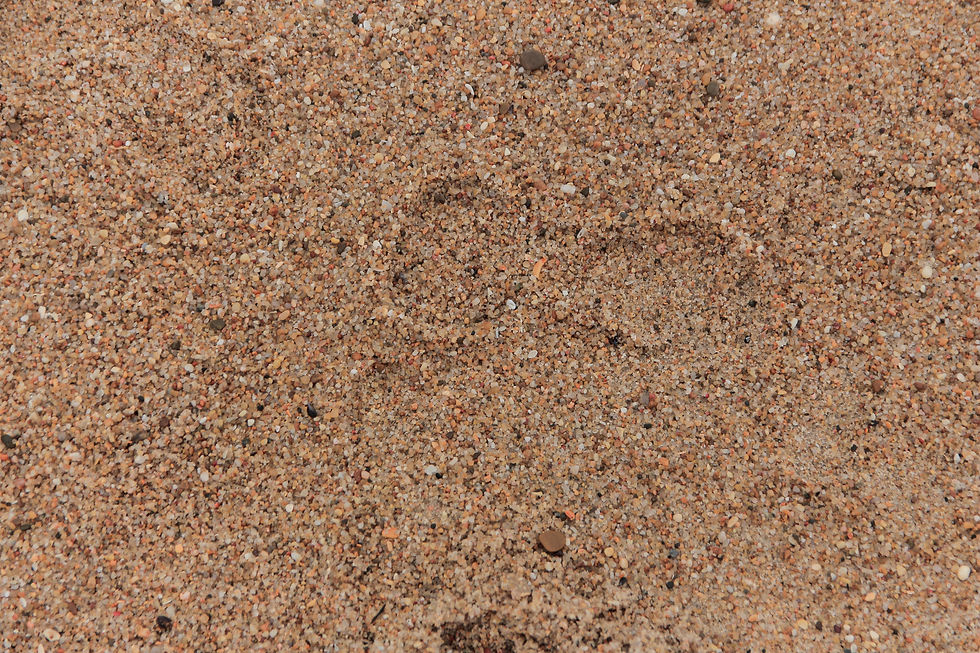
In sandy soils, water drains rapidly and nutrients are often lost before plants can fully absorb them. This creates inconsistent growing conditions and increases the need for frequent irrigation or fertilizer applications. Biochar helps improve water and nutrient retention by holding moisture and minerals within the soil profile for longer periods.
This is especially useful for vegetables, flowering plants, shrubs, and newly planted trees that depend on stable moisture conditions during root establishment. By keeping nutrients available near the roots, biochar supports healthier root systems and more consistent plant growth.
Clay Soils

Clay soils present different challenges. They often become compacted and poorly drained, limiting oxygen flow around plant roots. Waterlogging can weaken plants and reduce nutrient uptake efficiency. When mixed into clay-heavy ground, biochar helps loosen dense soil and contributes to improved drainage and aeration.
Better airflow around roots supports stronger plant development while reducing stress caused by overly wet conditions. Over time, repeated use of biochar combined with organic matter can help create a more balanced soil structure.
Raised Beds and Container Gardens
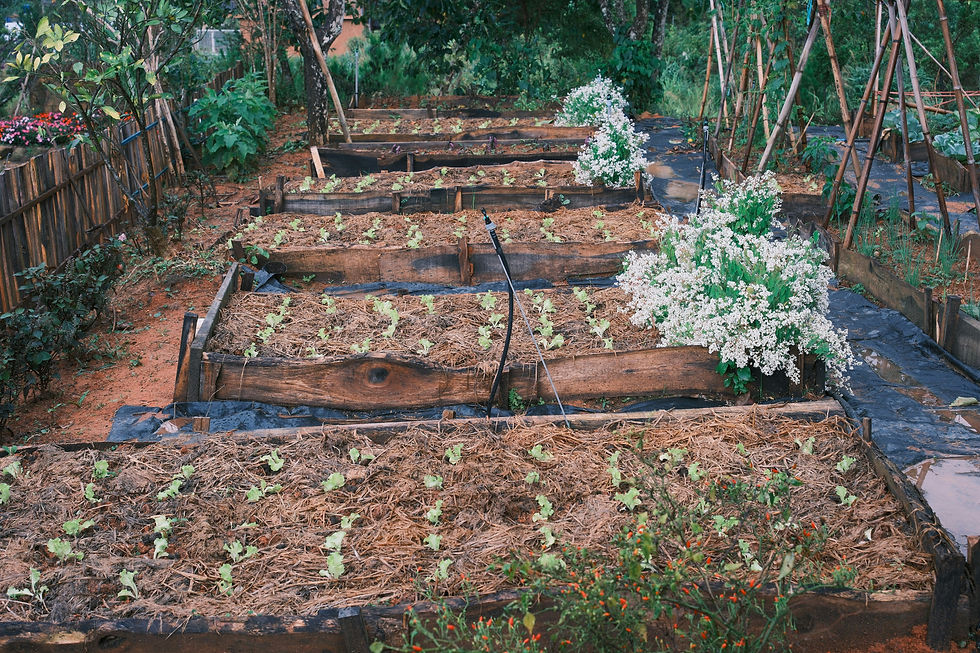
Raised beds and container gardens can also benefit from biochar soil additions. Since these systems dry out more quickly than in-ground soil, maintaining steady moisture levels becomes important for improving plant performance. Biochar helps stabilize moisture availability while supporting microbial activity in confined growing spaces.
Many gardeners also combine biochar with garden compost before application. Compost provides nutrients and organic matter, while biochar helps retain them within the soil instead of allowing them to wash away. Together, they create a richer and more biologically active growing environment.
Preparing Biochar Before Application
First thing first, before applying biochar to the soil, it’s important to inoculate or charge biochar with the nutrients and bacteria your soil needs.
One of the most common methods is blending biochar with garden compost before use. This process helps “charge” the biochar with nutrients and microbial life before it enters the soil. To learn more about other materials to enrich your biochar, you can read more information about it on our related articles:
Applying Biochar to the Soil
For vegetable beds and garden borders, biochar can be spread evenly over the soil surface and mixed into the upper layer where most roots are actively growing. This helps distribute the material throughout the rooting zone.
There are also other methods such as banding, mixed with mulch, and soil injection. Our article covers all the best practices based on your crops and conditions.
How Much Biochar Should I Use as a Soil Improver?
Application rates vary depending on soil type, crop needs, and existing soil conditions. In most cases, moderate application rates are sufficient because biochar functions as part of an overall soil improvement strategy rather than as a standalone fertilizer.
Typical recommendations range between 5–20% biochar by soil volume. For garden beds, mix 1–2 kg of biochar per square meter into the top 15 cm of soil. Meanwhile, for agricultural fields, apply 1–10 tons per hectare, depending on soil degradation.
Conclusion
Biochar is more than just a temporary additive; it is a long-term investment in the health and resilience of your land. By fundamentally changing the physical and biological structure of the soil, biochar provides a permanent solution to common gardening challenges like nutrient leaching, poor drainage, and drought stress


Comments