
How to Use Biochar Effectively
- WasteX

- Mar 17
- 4 min read
Updated: May 6
Biochar has gained increasing attention among farmers, gardeners, and soil scientists as an effective soil amendment that can improve soil fertility and support long-term agricultural productivity.
However, knowing how to use biochar correctly is essential. Simply spreading raw biochar on soil may not provide the desired results. When properly prepared and applied, biochar can significantly enhance plant growth.
This guide explains how to use biochar effectively, including how to prepare it, how much to apply, and the best methods for integrating it into soil.
Table of Contents
Charge Biochar Before Use
Fresh biochar can initially absorb nutrients from the surrounding soil due to its strong adsorption capacity. If it is applied directly, it may temporarily compete with plants for nutrients.
Charging biochar means filling its pores with nutrients and beneficial microbes before it is used in the field. This ensures the biochar becomes nutrient rich and ready to support plant growth.
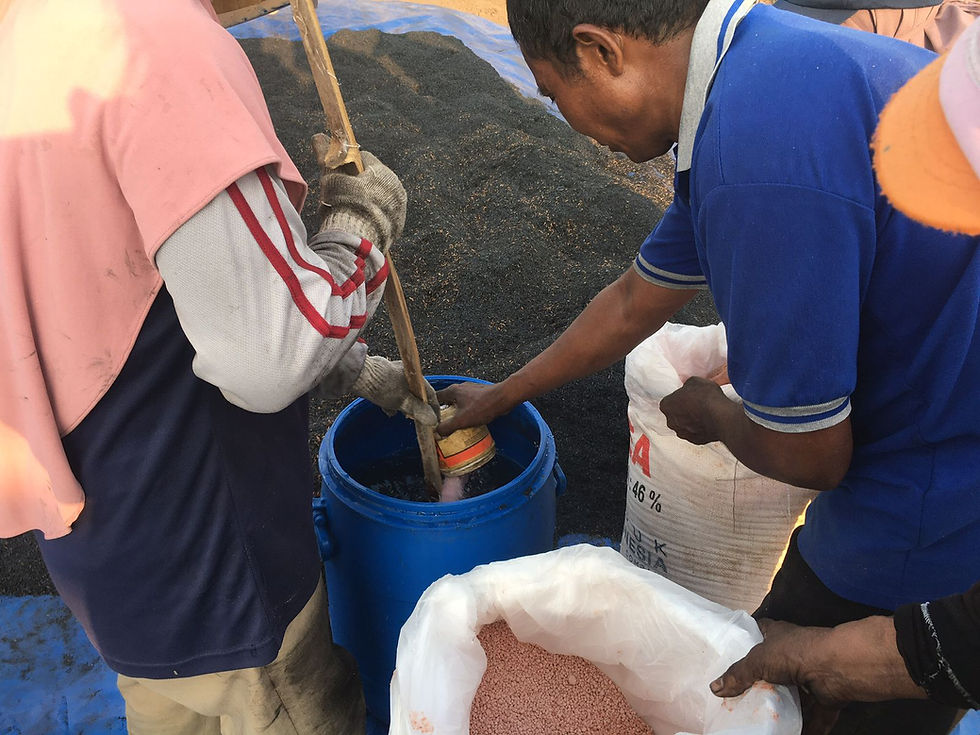
Common ways to charge biochar are mixing it with compost, soaking it in compost tea or liquid fertilizer, blending it with manure or worm castings, or adding it to a compost pile during the composting process
For instance, if you want to mix compost and biochar, add biochar directly into your active compost pile at a 1:10 ratio. As the organic matter breaks down over several weeks, the biochar acts as a "microbial hotel," absorbing leaching nutrients and providing a porous habitat for beneficial bacteria to colonize.
You can head over to our charging biochar guide to learn more about other methods and materials you can use.
How Much Biochar Should Be Added to the Soil?
Typical recommendations range between 5–20% biochar by soil volume, depending on soil conditions and crop requirements.
General guidelines include:
Garden Beds: Mix 1–2 kg of biochar per square meter into the top 15 cm of soil.
Potting Mix: Incorporate 5–10% biochar by volume (roughly 1 part biochar to 10 parts soil).
Agricultural Fields: Apply 1–10 tons per hectare, depending on soil degradation. For degraded soils or those low in organic matter, 5–10 tons is a common starting point to see a measurable shift in water-holding capacity and Cation Exchange Capacity (CEC).
These levels serve as an initial baseline. Once incorporated, biochar persists for decades, making large additional applications unnecessary.
Instead of re-applying biochar every season, farmers and gardeners can focus on maintaining fertility with compost or organic materials, while the existing biochar will continue improving soil structure for nutrient retention and water holding capacity.
However, it is perfectly safe to reapply biochar as long as you aren't exceeding a total soil volume of about 20% (at which point you start to see diminishing returns or potential nutrient imbalances). Just remember to always charge your biochar first.
3 Common Methods of Using Biochar for Your Plants
Below are the three common methods of using biochar if you plan to use it for your plants. However, if you want a deeper dive into other methods or learn how to use it for other purposes, head over to our 8 biochar application methods article.
1. Mixing Biochar Into Soil
The most common method for using biochar is incorporating it into the soil within the root zone where crops can access the stored nutrient and water in its pores. In agricultural settings, this is typically done using three main application methods: broadcasting, banding, and spot application.

Broadcasting involves spreading biochar evenly across the soil surface and then incorporating it into the top 10–20 centimeters of soil through tillage or cultivation.
Banding places biochar in concentrated strips along planting rows so it is positioned close to developing roots. This is an efficient way to reduce overall application costs while ensuring nutrients are exactly where the root system develops.
Meanwhile, spot application places biochar directly into planting holes or localized
areas, which is common for trees, perennials, or transplanting.
2. Using Biochar in Potting Mixes
Biochar is a game-changer for container gardening, where soil dries out quickly and nutrients leach out every time you water. For a balanced, high-performing mix, use these proportions:
60-70% Base growing medium (soil or coco coir)
20-30% Compost or organic matter
5-10% Charged biochar

A farmer incorporating biochar into her potting
This blend maximizes water retention and aeration, ensuring your containers stay hydrated and nutrient-rich longer than standard potting soils.
3. Applying Biochar to Trees and Perennials
For established trees and perennials, biochar provides a structural upgrade to the root zone. Since you can't till around deep roots, follow these steps to deliver nutrients where they’re needed most:
Charge your biochar.
Spread the biochar in a ring around the tree’s drip line (the outer edge of the canopy), where the active feeder roots are located.
Lightly rake the mixture into the top 2-5 cm of soil and cover with a layer of wood chips or straw.
This method allows rain and biology to carry the "charged" nutrients down into the deep root system, ensuring long-term hydration and fertility for years to come.
Common Mistakes When Applying Biochar
Although biochar is highly beneficial, improper use can reduce its effectiveness. Avoid these common mistakes to get the most out of your soil.
First, avoid surface-only exposure. If you broadcast it over a field or garden without raking or tilling it into the top 10–15 cm, biochar can easily blow away in the wind or wash off during heavy rain. For the best results, ensure it reaches the root zone where it can actually interact with plants and microbes.
Then, make sure to check your soil’s pH. Biochar is typically alkaline. While this is great for acidic soils, adding massive amounts to soil that is already high-pH (alkaline) can "lock out" essential micronutrients like iron, manganese, and boron. Always check your soil's baseline before a heavy application to ensure you aren't pushing the pH too far.
Last, not all char is created equal. Low-quality products produced at low temperatures can contain tars or resins that actually harm soil life. Always look for high-temperature pyrolysis products that are clean, porous, and free of wood-treatment chemicals or heavy metals, such as WasteX biochar that’s already lab-tested to ensure best quality.


Comments